
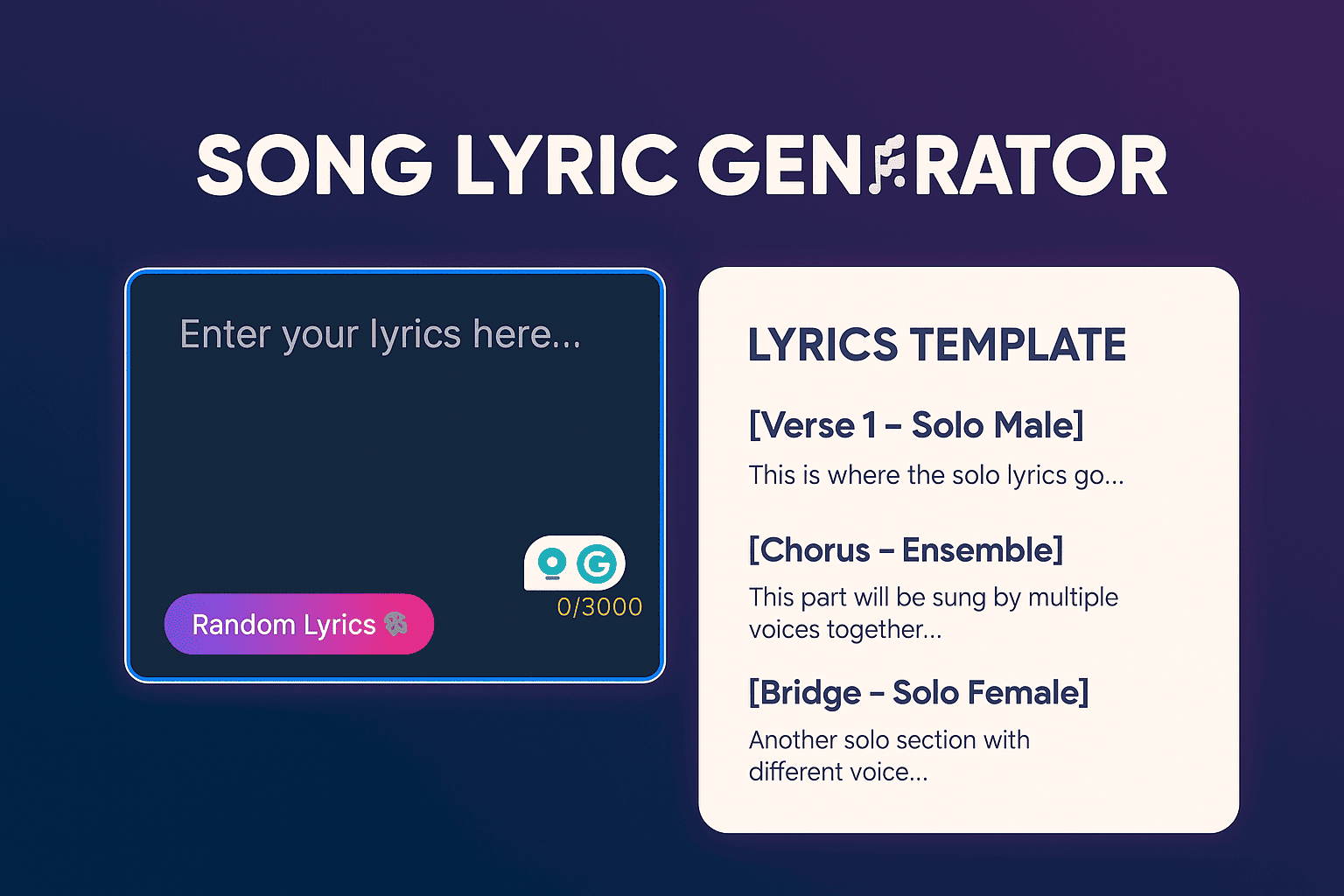
In recent years, the landscape of music creation has undergone a significant transformation, largely driven by advancements in artificial intelligence (AI). More creators are turning to AI music makers as powerful tools that enable them to compose, produce, and experiment with music in ways previously unimaginable. This shift is not merely a trend but reflects deeper changes in how music is created and consumed.
One of the primary reasons why more creators are choosing AI music makers today is accessibility. Traditional music production often requires extensive knowledge of instruments, theory, and complex software. For many aspiring musicians or content creators without formal training, these barriers can be discouraging. AI-powered platforms simplify this process by generating melodies, harmonies, and beats based on user inputs or preferences. This democratization allows individuals from diverse backgrounds to engage with music creation effortlessly.
Moreover, AI tools significantly speed up the creative process. Composing original tracks manually can be time-consuming and sometimes frustrating when inspiration wanes or technical skills fall short. AI algorithms can quickly generate multiple variations of a tune or accompaniment within seconds, giving creators immediate options to refine or build upon. This efficiency enables artists to focus more on their artistic vision rather than getting bogged down by technical challenges.
Another compelling factor is innovation and experimentation. AI music maker makers often incorporate machine learning models trained on vast datasets encompassing various genres and styles worldwide. As a result, they can suggest novel combinations or unexpected chord progressions that might not occur naturally to human composers constrained by habitual patterns. This opens doors for unique sounds and fusion genres that push creative boundaries while maintaining musical coherence.
Collaboration also benefits from AI integration in music production. In today’s interconnected world where remote work dominates many industries-including entertainment-AI platforms provide common ground for artists separated geographically or culturally to co-create seamlessly. By using shared AI-generated stems or loops as starting points, collaborators can contribute ideas asynchronously yet cohesively.
Furthermore, economic considerations play a role in the growing adoption of AI tools among creators. Hiring professional producers or session musicians may be prohibitively expensive for independent artists working with limited budgets. Conversely, subscription-based access to sophisticated AI composition software offers an affordable alternative without compromising quality substantially.
The rise of social media content requiring background scores further fuels demand for quick-turnaround compositions tailored specifically for short videos or podcasts-formats where traditional licensing procedures might prove cumbersome due to cost or legal complexities involving copyright clearance; here again lies an advantage for customizable royalty-free tracks generated through AI systems.
In conclusion, the increasing preference for AI music makers among creators stems from their ability to lower entry barriers while enhancing creativity through speed, novelty generation, collaboration facilitation, affordability-and adaptability suited perfectly for modern digital content demands. As technology continues evolving rapidly alongside cultural shifts toward inclusivity and innovation within art forms like music production-the synergy between human creativity augmented by intelligent machines promises exciting new horizons ahead for both established professionals and emerging talents alike.