
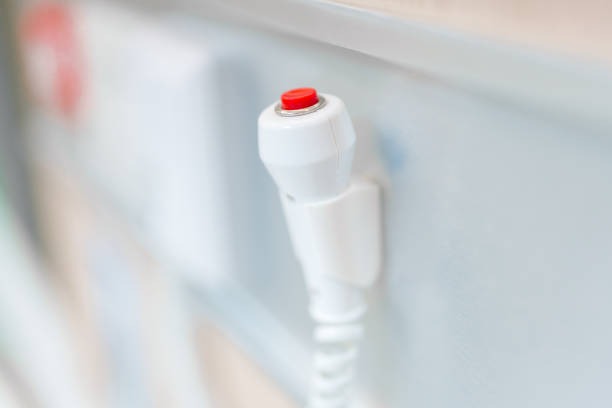
Nurse call communication systems have undergone significant transformation over the past several decades, evolving from simple signaling devices to sophisticated integrated communication networks. These systems play a crucial role in healthcare settings, ensuring timely responses to patient needs and improving the overall quality of care. Understanding this evolution highlights how technology has enhanced patient safety and staff efficiency.
The earliest nurse call systems were basic mechanical devices, primarily consisting of a pull cord or button located near the patient’s bed. When activated, these devices would ring a bell or light up an indicator panel at the nurse’s station, alerting staff to a patient’s request. While revolutionary at the time, these systems had limitations, including lack of specificity in calls and delayed responses due to manual monitoring.
With the advent of electronics, nurse call systems progressed to more advanced wired systems featuring visual and auditory alarms. These systems allowed for better identification of the calling room or bed, enabling nurses to prioritize tasks efficiently. However, the fixed wiring often limited flexibility, making expansions or modifications cumbersome and expensive.
The introduction of digital technology in the late 20th century marked a significant leap. Digital nurse call systems incorporated microprocessors and software, allowing for more sophisticated functions such as message logging, call queuing, and integration with hospital information systems. This advancement improved communication accuracy and provided valuable data for performance monitoring and resource allocation.
In recent years, wireless nurse call systems have become increasingly popular, offering enhanced mobility and scalability. These systems utilize Wi-Fi or proprietary radio frequency technologies to transmit calls directly to mobile devices carried by healthcare staff. The mobility afforded by these systems ensures faster response times and better coordination among team members, especially in large or multi-floor facilities.
Modern nurse call communication systems often integrate with other hospital technologies, such as electronic health records (EHR), patient monitoring devices, and building management systems. This integration facilitates a more holistic approach to patient care, allowing for real-time information sharing and streamlined workflows. Voice communication, video capabilities, and customizable alerts further enhance the interaction between patients and caregivers.
As healthcare demands continue to grow, nurse call systems are expected to evolve further, incorporating artificial intelligence and predictive analytics to anticipate patient needs proactively. These advancements aim to reduce response times, improve patient satisfaction, and support clinical decision-making.
In conclusion, the evolution of nurse call communication systems reflects broader technological trends and the ongoing commitment to improving patient care. From simple mechanical devices to integrated, smart communication networks, these systems have become indispensable tools in modern healthcare environments, enhancing safety, efficiency, and quality of service.