
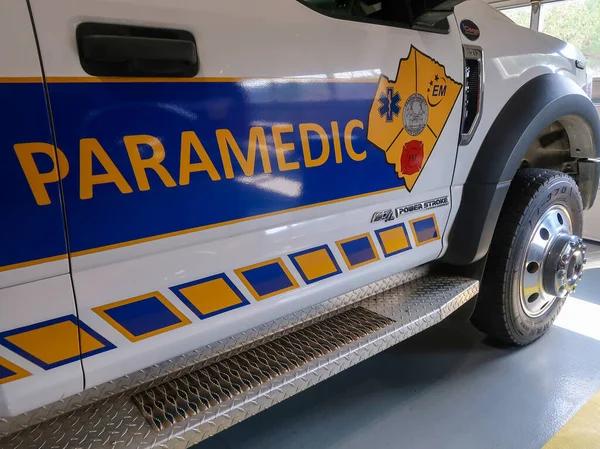
Long distance medical transport plays a crucial role in ensuring safe and stress-free patient transfers, especially when patients require specialized care unavailable locally. This service is designed to provide seamless movement from one healthcare facility to another or from home to hospital while maintaining the highest standards of medical support throughout the journey. The primary goal is to minimize discomfort and anxiety for patients, making their transfer as smooth and secure as possible.
A key aspect of long distance medical transport is the involvement of trained medical professionals who accompany patients during transit. These experts monitor vital signs, administer necessary treatments, and respond promptly to any emergencies that may arise. Their presence not only reassures patients but also guarantees continuous care comparable to that received within hospital settings. find more on this page level of attention helps reduce stress significantly by addressing health concerns proactively rather than reactively.
Advanced transportation equipment contributes substantially to a calm transfer experience. Ambulances equipped with life-support systems, ventilators, cardiac monitors, and other critical devices ensure that even seriously ill individuals receive appropriate care en route. Additionally, vehicles are designed for comfort with climate control features and ergonomic seating arrangements tailored for patient needs. Such thoughtful design elements prevent unnecessary physical strain during potentially lengthy journeys.
Coordination between sending and receiving healthcare providers is essential for effective long distance transfers. Detailed communication ensures all parties understand the patient’s condition, treatment requirements, and anticipated arrival times. Proper planning avoids delays or confusion upon reaching the destination facility where immediate attention might be required. This coordination extends beyond clinical information sharing; it includes logistical considerations such as route optimization and contingency planning for unforeseen circumstances like traffic or weather disruptions.
Families also benefit from professional long distance medical transport services because they can trust their loved ones are in capable hands throughout the process. Knowing that experienced personnel manage every aspect of the journey alleviates worries about safety or quality of care during transit periods when direct supervision by family members may not be feasible.
In summary, long distance medical transport offers an indispensable solution for transferring patients safely over extended distances without compromising on comfort or clinical support. By combining expert staffing, specialized equipment, meticulous planning, and clear communication among healthcare teams, these services create a less stressful experience that prioritizes patient well-being at every stage of transfer. As healthcare continues evolving toward more integrated networks across regions, dependable medical transport will remain fundamental in connecting people with timely treatment options regardless of location constraints.