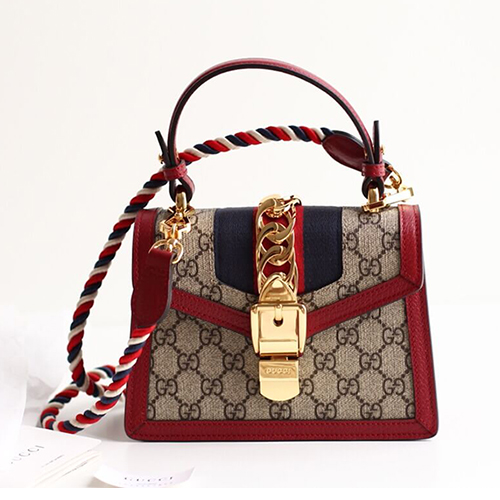

The phenomenon of Gucci fake bags has become a significant aspect of contemporary fashion culture, influencing trends in ways that extend beyond mere imitation. These counterfeit items, often crafted with impressive attention to detail, have carved out their own niche within the global market. While they are illegal and ethically contentious due to intellectual property violations and the undermining of genuine craftsmanship, their impact on fashion trends is undeniable.
Gucci, as a luxury brand, represents exclusivity, status, and high-quality design. The allure of owning such an item drives many consumers toward counterfeit versions that offer similar aesthetics at a fraction of the cost. This accessibility democratizes luxury fashion to some extent by allowing broader segments of society to participate in style narratives traditionally reserved for affluent buyers. Consequently, this has led to shifts in how people perceive luxury: it becomes less about ownership authenticity and more about visual appeal and social signaling.
Moreover, Gucci Fake Bags influence designers themselves by highlighting popular elements that resonate with consumers worldwide. Features like distinctive logos, signature patterns such as the GG monogram, or iconic shapes gain prominence because counterfeiters replicate what sells best. This feedback loop can pressure original brands to innovate or reimagine these motifs continually so as not to lose uniqueness while maintaining consumer interest.
On street style platforms and social media channels where image reigns supreme over provenance verification, fake Gucci bags contribute significantly to trend propagation. Influencers who showcase these replicas inadvertently normalize their presence within fashion circles. As a result, certain styles gain momentum faster than ever before since barriers related to price or availability diminish substantially when fakes flood markets.
However controversial they may be from legal and ethical standpoints-supporting illicit trade harms artisanship and brand integrity-the existence of Gucci fake bags underscores important conversations about consumption patterns in modern society. They reveal tensions between desire for luxury goods versus economic realities faced by many individuals globally.
In conclusion, while Gucci fake bags challenge traditional notions surrounding exclusivity in high fashion through unauthorized reproduction methods, they simultaneously shape emerging trends by making iconic designs widely visible across diverse demographics. Their influence prompts both industry insiders and consumers alike to reconsider definitions around value creation within the evolving landscape of global fashion culture.