
Commercial refrigeration systems are essential for various industries, including food service, retail, and pharmaceuticals. Selecting the right type of system depends on factors such as space requirements, energy efficiency, temperature control precision, and maintenance needs. Among the most common types are reach-in refrigerators, walk-in coolers and freezers, display cases, and blast chillers. Each type serves different purposes and offers unique advantages.
Reach-in refrigerators are widely used in commercial kitchens due to their compact size and ease of access. They typically feature solid or glass doors that allow quick visibility of contents without compromising temperature stability. These units operate with self-contained refrigeration systems that maintain consistent temperatures suitable for short-term storage of perishable goods. Their relatively small footprint makes them ideal for establishments with limited space but high turnover rates.
Walk-in coolers and freezers provide large storage capacities suitable for businesses requiring bulk inventory management. These systems consist of insulated rooms equipped with powerful refrigeration units capable of maintaining low temperatures over extended periods. Walk-ins offer flexibility in organizing products on shelves or pallets while allowing staff to enter the cooling area directly for efficient retrieval or stocking. Due to their size and complexity, these systems often require professional installation and regular maintenance to ensure optimal performance.
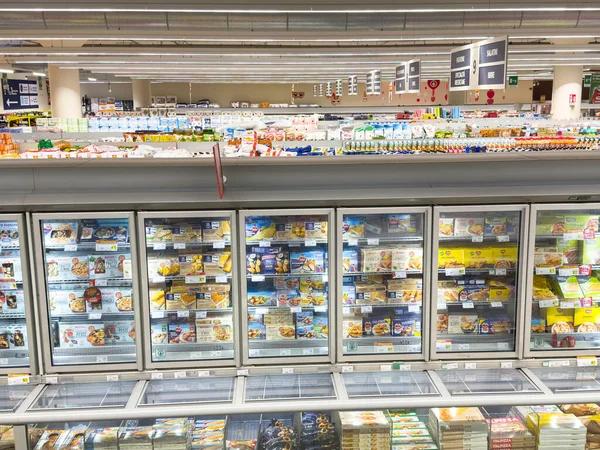
Display cases combine refrigeration technology with aesthetic design to showcase products effectively while preserving freshness. Commonly found in grocery stores, bakeries, or delis, these units use transparent panels to attract customer attention while maintaining precise temperature zones tailored to specific items like meats or dairy products. Display cases can be open-fronted for easy access or enclosed with sliding doors to reduce energy consumption by minimizing cold air loss during operation.
Blast chillers serve a specialized function by rapidly lowering the temperature of cooked foods within a short timeframe to meet safety standards and extend shelf life. Unlike traditional refrigeration units focused on steady cooling processes, blast chillers utilize intense airflow at very low temperatures that quickly remove heat from food items without affecting texture or flavor adversely. This rapid chilling process is particularly valuable in high-volume kitchens where food quality preservation is critical.
Energy efficiency is an important consideration across all Commercial Refrigeration types due to rising operational costs and environmental concerns. Modern systems increasingly incorporate advanced compressors, improved insulation materials, and smart controls that optimize cooling cycles based on usage patterns rather than continuous running times alone. Additionally, some models employ natural refrigerants like CO2 instead of synthetic gases known for higher global warming potential.
In summary, choosing between reach-in refrigerators, walk-ins, display cases, or blast chillers requires assessing specific business needs related to capacity demands, accessibility preferences, product types handled daily as well as budget constraints tied to purchase price versus long-term operating expenses. Understanding these differences helps operators select appropriate commercial refrigeration solutions that balance functionality with cost-effectiveness efficiently within their operational environment.